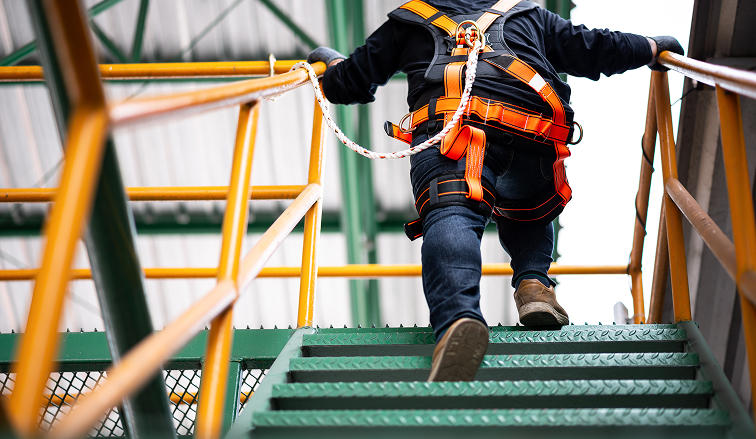
A fall from a scaffold, a crane load that swings loose, or a trench wall that gives way can end a career in seconds. If you were hurt on a job site, a New Orleans construction accident lawyer can help you understand which claims you have and who should pay for them.
Construction keeps this city moving, from new housing in Lakeview to levee repairs along the Mississippi River. When an accident happens, you face medical bills, lost paychecks, and hard questions about what comes next.
Most injured workers have two possible paths. One is workers’ compensation through your employer. The other is a separate injury claim against any other company that may be at fault for the accident.
Douglas & London brings the same trial preparation and resources it uses against some of the largest companies in the country to construction cases in New Orleans. Contact us for a free consultation to talk through your options.
Why New Orleans Construction Sites Are So Dangerous
Construction is one of Louisiana’s deadliest industries. According to the U.S. Bureau of Labor Statistics, 19 people died in the state’s construction sector in 2024, down from 28 the year before. Some risks exist on every job site. Others are specific to New Orleans.
Potential dangers include:
- Historic Renovations: Work in the French Quarter, Garden District, and Warehouse District can mean old wiring, weak framing, and exposure to lead or asbestos.
- Heat and Humidity: Long summer shifts raise the risk of heat stroke and fatigue-related mistakes.
- Storms and Hurricane Season: Sudden downpours soak scaffolding and loosen soil.
- Soft, Wet Ground: Much of the city sits at or below sea level. Trenches dug in saturated soil can collapse without warning if not properly shored.
- River, Levee, and Port Projects: Floodwall, wharf, and riverfront work combines heavy equipment with water hazards.
The city saw how badly things can go wrong in October 2019, when the upper floors of the Hard Rock Hotel under construction at 1031 Canal Street collapsed. Three workers died and 18 others were seriously injured, according to Occupational Safety and Health Administration (OSHA).
The agency later cited the structural engineer, the general contractor, the steel erector, and eight subcontractors, with proposed penalties totaling $315,536.
Common Types of Construction Site Accidents
OSHA’s Focus Four hazards (falls, struck-by incidents, electrocution, and caught-in or caught-between incidents) cause most construction deaths.
Here is how they show up on New Orleans job sites:
- Falls: Workers fall from ladders, roofs, scaffolds, and unprotected edges. Missing guardrails and harnesses are often part of the story.
- Falling Objects: Tools, debris, and swinging loads can strike workers below. Excavators, forklifts, and delivery trucks can also hit workers on foot.
- Electrical Accidents: Contact with overhead power lines, faulty tools, or outdated wiring in older buildings can cause shocks, burns, and electrocution.
- Trench and Structural Collapses: Unsecured excavations and failing supports can trap workers under soil or debris.
- Machinery Accidents: Hydraulic failures and poorly trained operators can leave workers pinned or caught in moving parts.
Crane Accidents
Cranes lift steel, concrete, and mechanical units high above the Central Business District, the riverfront, and the medical district. When a crane tips, drops a load, or touches a power line, the injuries are usually catastrophic. Overloading, poor rigging, soft ground, wind, and mechanical failure are common causes.
Responsibility may fall on the crane owner, the operator’s employer, the rigging contractor, or the general contractor. If a part failed, the manufacturer may face a defective product claim.
Scaffolding Collapses
Scaffolds fail when they are set on soft ground, overloaded, missing planks or guardrails, or never properly inspected. OSHA requires a competent person to check scaffolds for defects before each work shift. If a scaffolding subcontractor built or inspected the scaffold, you may have a claim beyond workers’ comp.
We Are Available for You 24/7.
Call 646-594-1112 for a Free Consultation
Serious Injuries Common After a Construction Accident
Construction injuries tend to be severe because of the heights, weights, and forces involved.
Common injuries include:
- Traumatic Brain Injuries: Falls and falling objects can cause traumatic brain injuries that affect memory, mood, and the ability to work.
- Spinal Cord Injuries: Spinal cord damage can cause chronic pain, partial paralysis, or full paralysis.
- Fractures and Crush Injuries: Broken bones and crushed limbs may require surgery, metal hardware, or amputation.
- Burns: Electrical and chemical burn injuries can cause nerve damage, scarring, and disfigurement.
Many of these injuries keep people from ever returning to construction work. A claim should account for future medical care and lost earning ability, not just the bills in front of you today.
Workers’ Comp vs. Third-Party Claims in Louisiana
Louisiana’s workers’ compensation system is no-fault. You do not have to prove your employer did anything wrong to receive benefits. The tradeoff is that, in most cases, workers’ comp is your only remedy against your own employer.
What Workers’ Comp Covers
Workers’ comp benefits pay for reasonable and necessary medical care and replace part of your lost wages. Weekly wage benefits are generally two-thirds of your average weekly wage, up to a cap the Louisiana Workforce Commission resets every September 1. While medical costs and lost wages can be covered, workers’ comp benefits do not pay for pain and suffering, emotional distress, or loss of enjoyment of life.
When You Can Pursue a Claim Against Someone Other Than Your Employer
Construction sites bring together many companies. If someone other than your employer caused the accident, you may be able to file a third-party claim. That claim can include damages workers’ comp never pays, such as pain and suffering and full lost earnings.
Possible third parties include:
- Other Contractors: A different crew may have created the hazard.
- Property Owners: An owner may be responsible for known dangers on the property.
- Manufacturers: A defective crane, lift, harness, or tool can support a product liability claim.
- Engineers: Design errors, like those OSHA cited at the Hard Rock site, can make a structure unsafe.
Two Louisiana Rules That Can Change Your Options
The first is the statutory employer rule. A general contractor or owner can sometimes be treated as your employer for workers’ comp purposes, even if a subcontractor hired you.
When that happens, the contractor may be protected from a lawsuit the same way your direct employer is. Whether the rule applies depends on the contracts and the work involved, so have those documents reviewed early.
The second is the intentional act exception under La. R.S. 23:1032. If an employer intended to cause harm or knew an injury was substantially certain to occur, you may be able to sue the employer directly. Courts apply this exception narrowly.
Levee, Riverfront, and Port Construction
Some construction work near the water falls under federal law instead of Louisiana workers’ comp. Workers who build or repair docks, wharves, and other maritime structures may qualify for benefits under the Longshore and Harbor Workers’ Compensation Act. Our page on longshore and harbor worker claims explains how those benefits work.
How OSHA Safety Violations Can Strengthen Your Claim
OSHA sets the safety rules for most private construction sites in Louisiana. Its construction standards cover fall protection, scaffolds, cranes, trenching, electrical work, and more.
A safety violation does not win a lawsuit on its own. It can, however, be strong evidence that a company failed to act reasonably.
Useful records include:
- OSHA Citations and Inspection Reports: These show what the agency found and which companies it cited.
- Site Safety Plans and Daily Logs: These can reveal missed inspections, skipped training, or hazards the company already knew about.
- Permit and Inspection Records: The City of New Orleans Department of Safety and Permits enforces local building codes. A code violation can point to fault by a company other than your employer.
Employers must report a worker’s death to OSHA within eight hours. An inpatient hospitalization, amputation, or loss of an eye must be reported within 24 hours.
How Long You Have to File a Construction Accident Claim in Louisiana
For most personal injuries, you have two years to file a claim if the accident happened on or after July 1, 2024. Injuries before that date generally fall under the older one-year deadline.
Workers’ comp runs on a separate clock. Unless benefits have already been paid out, a claim is generally barred if it is not filed within one year of the accident. When benefits have been paid, the deadline runs from the last payment. You should also tell your employer about the injury within 30 days, as required by law.
Wrongful death claims and claims involving a government agency can follow different rules. Missing a deadline can end your claim no matter how badly you were hurt, so reach out to our team as soon as you can.
What to Do Immediately After a Construction Site Injury in New Orleans
The steps you take in the first few days can protect both your health and your claim:
- Report the Accident: Tell your supervisor right away and ask for a written report of what happened and who was involved.
- Get Medical Care: See a doctor right away, even for an injury that seems minor. Louisiana workers’ comp lets you choose your own treating physician.
- Preserve the Equipment: If a tool or machine failed, write down its brand and serial number and ask that it be kept as is.
- Photograph the Scene: Capture the hazard and your injuries before the site changes.
- Get Witness Information: Collect contact details from coworkers who saw it happen.
- Keep a Daily Log: Track your pain, appointments, and missed workdays.
- Be Careful With Insurers: Avoid recorded statements before you speak with a lawyer.
Emergency care near New Orleans job sites includes:
- University Medical Center New Orleans: Home of the Spirit of Charity Trauma Center, the only Level I trauma center in southern Louisiana.
- East Jefferson General Hospital: Emergency services and trauma care in Metairie.
- Touro LCMC Health: Full emergency room services Uptown.
- New Orleans East Hospital: Emergency and urgent care for eastern New Orleans.
What Is a New Orleans Construction Accident Case Worth?
There is no reliable average settlement for construction accidents. Two workers who fall from the same height can have very different injuries, insurance coverage, and legal options.
The factors that affect value include:
- Injury Severity: Permanent injuries and long recoveries usually carry more value.
- Available Claims: Workers’ comp alone pays less than a case that also includes a third-party claim.
- Lost Earning Ability: Younger workers and skilled tradespeople may lose decades of income.
- Insurance Coverage: Each responsible company’s policy limits affect what can be recovered.
- Shared Fault: For accidents on or after January 1, 2026, Louisiana bars recovery if you are found 51% or more at fault. Below that, your award is reduced by your share of fault.
- Medical Expense Rules: Recent Louisiana reforms generally limit recovery of medical expenses to the amounts actually paid.
Third-party damages can include medical costs, lost wages and earning capacity, pain and suffering, emotional distress, and disfigurement.
Help for Families After a Fatal Construction Accident
Losing someone on a job site is devastating. Louisiana law allows certain family members, usually a spouse and children first, to bring a wrongful death claim and a survival action against responsible third parties. A survival action covers what your loved one suffered before death. A wrongful death claim covers the family’s own losses.
Dependents may also receive workers’ comp death benefits and help with funeral expenses through the employer’s insurer.
Why Injured Workers Turn to Douglas & London
Douglas & London is a personal injury law firm with the resources to win. Our attorneys have led national litigation against some of the largest drug and chemical companies in the country, and we prepare cases as if they are headed to trial.
Here’s what we offer:
- Medical Insight: Nurse consultants on our team help review medical records and explain how an injury may affect your future.
- Investigation: An in-house investigator can help document the scene, find witnesses, and identify the companies involved.
- Spanish-Speaking Staff: Se habla español. We can speak with you and your family in Spanish.
- No Fee Unless We Win: You pay no attorney fees unless we recover money for you.
Frequently Asked Questions
Can I sue my employer after a construction accident in Louisiana?
Usually not. Workers’ comp is generally the only remedy against your direct employer. The main exception is an intentional act. You may still be able to pursue claims against other companies on the site.
How long do I have to file a construction accident claim in Louisiana?
You generally have two years to file a third-party injury lawsuit for an accident on or after July 1, 2024. Workers’ comp claims generally must be filed within one year of the accident unless benefits have been paid.
Can I collect workers’ comp and file a third-party lawsuit at the same time?
Yes. Many injured workers receive workers’ comp benefits while pursuing a separate claim against a contractor, owner, or manufacturer. The comp insurer may have a right to be repaid from a third-party recovery, so the claims should be handled together.
Who is liable when a crane or scaffold collapses?
Liability depends on what failed and who controlled it. The crane owner, the operator’s employer, the rigging contractor, the scaffold builder, the general contractor, the property owner, or the equipment manufacturer may share responsibility.
Does an OSHA violation prove my construction accident case?
No, but it can be powerful evidence. A citation can support a claim that a company acted unreasonably, but you still need to show the violation caused your injury.
What if I was partly at fault for my accident?
You can still recover damages if you are found less than 51% at fault for an accident on or after January 1, 2026. Your award is reduced by your share of fault. Earlier accidents fall under Louisiana’s older pure comparative fault rule.
Can my employer fire me for filing a workers’ comp claim?
No. Louisiana law prohibits employers from firing workers for asserting a workers’ comp claim. A firing for reporting an injury may give you a separate claim.
What if I was working as a subcontractor or day laborer?
You may still have rights. Louisiana requires most employers to carry workers’ comp coverage, and a general contractor can sometimes be responsible for benefits when a subcontractor has no coverage. Your work arrangement also affects who you can sue, so bring any pay records or agreements to your consultation.
How much does it cost to hire a construction accident attorney?
Nothing up front. Douglas & London works on a contingency fee basis, which means no fee unless we win. Your first consultation is free.
Douglas & London Is Ready to Review Your Construction Accident Claim
A construction injury can change your work, your income, and your family’s plans overnight. You should not have to sort through insurance claims and Louisiana’s deadlines alone while you recover.
Douglas & London can review what happened, help identify the companies that may share responsibility, and explain your options in plain terms. Our staff is available 24 hours a day, and there is no fee unless we win. Contact our New Orleans team at (504) 499-0380 or online today for a free consultation about your construction accident.