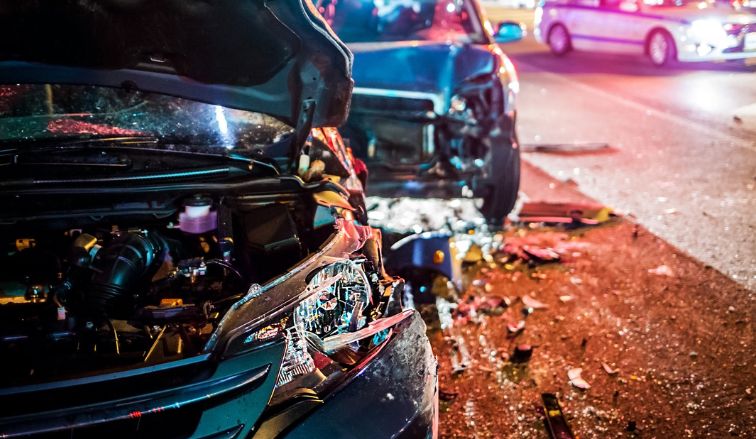
A crash in New Orleans can turn an ordinary drive down Claiborne Avenue or across the Crescent City Connection into months of doctor visits, missed work, and calls from insurance adjusters. A car accident lawyer can help you understand your rights under Louisiana law and pursue compensation from the driver who caused the crash.
Douglas & London represents people hurt in crashes across Orleans, Jefferson, and St. Tammany parishes from our office on Gravier Street in New Orleans. Your consultation is free, and you pay no fee unless we win. Contact us to talk through what happened.
Why Work With Douglas & London After a New Orleans Crash
Insurance companies base their offers partly on how ready your lawyer is to go to court. At Douglas & London, we prepare every case as if it is headed to trial. That preparation gives us leverage in settlement talks, and it means we are ready if a fair offer never comes.
After a crash, our team can:
- Investigate the Crash: We can gather the police report, photos, video, and witness accounts to show how the collision happened.
- Document Your Injuries: Our nurse consultants can help connect your medical records to the crash.
- Handle the Insurance Companies: We can take over adjuster calls, recorded statement requests, and settlement negotiations.
- Bring In Outside Help: When a case calls for it, we work with accident reconstruction experts, medical professionals, and economists.
Our staff answers calls 24 hours a day, and Spanish-speaking team members are available. Schedule a free consultation to learn how we can help with your case.
Louisiana Car Accident Laws That Can Affect Your Claim
Louisiana changed several core injury laws in 2024 and 2025, and the rules that apply to you often depend on the date of your crash.
How Long You Have to File a Lawsuit
For crashes on or after July 1, 2024, you generally have two years from the date of the accident to file a lawsuit. Louisiana calls this deadline a prescriptive period. Crashes that happened before July 1, 2024, still fall under the old one-year deadline.
Surveillance video and vehicle data can disappear within weeks, so starting early protects your options.
Comparative Fault and the 51% Rule
For decades, Louisiana used a pure comparative fault system. You could recover damages even if you were mostly to blame, with your award reduced by your share of fault. That rule still applies to crashes that happened before January 1, 2026.
Crashes on or after January 1, 2026, follow the Modified Comparative Fault rule. You can recover damages if you are 50% or less at fault, with your award reduced by your percentage of fault. If you are found 51% or more at fault, you recover nothing.
Say your damages total $100,000 and you are found 20% at fault. You could recover $80,000. At 51% fault, you would recover nothing.
That cutoff gives insurers a reason to push more blame onto you. A police report that points at you is not the final word, and fault can be challenged with evidence.
Insurance Rules and Recent Reforms
Louisiana is an at-fault state, so the driver who caused the crash and their insurer are responsible for your damages.
A few other rules shape how these claims work:
- Minimum Coverage: Louisiana drivers must carry at least $15,000 per person and $30,000 per accident in bodily injury liability, plus $25,000 in property damage coverage. Those limits often fall short after a serious crash.
- Suing the Insurer Directly: Since August 1, 2024, Louisiana’s direct action statute generally bars suing the other driver’s insurer directly, with limited exceptions. Your lawsuit usually names the at-fault driver instead.
- Seatbelt Use: Evidence that you weren’t wearing a seatbelt can now be used when assigning fault for your injuries.
- Medical Bills: Recovery for medical expenses is generally limited to the amounts actually paid, not the full amount billed.
- Crash Reports: Louisiana law requires reporting any crash that causes injury, death, or property damage above $500.
We Are Available for You 24/7.
Call 646-594-1112 for a Free Consultation
What to Do if an Uninsured Driver Hits You in New Orleans
If the driver who hit you has no insurance, or drives off before you get their information, you may still have a path to compensation. The most common one is your own uninsured/underinsured motorist (UM) coverage.
UM coverage steps in when the at-fault driver has no insurance or not enough to cover your losses. It can also apply to many hit-and-run crashes. In Louisiana, UM coverage stays on your auto policy unless you rejected it in writing, so check your policy before assuming you don’t have it.
These steps can help protect a UM claim:
- Report the crash right away. A police report is especially important after a hit-and-run because it helps show another driver caused the collision.
- Look for other coverage. A driver working for an employer, a rideshare company, or a delivery service may be covered by a commercial policy.
- Don’t accept a quick denial. Your own insurer may still dispute the value of your claim, and a lawyer can push back.
Louisiana’s “No Pay, No Play” law also matters here. If you were driving without insurance yourself, the law can bar you from recovering the first $100,000 in bodily injury damages and the first $100,000 in property damage, with some exceptions. If that applies to you, talk to a lawyer before assuming you have no claim.
Hurt in a Car Accident While Visiting New Orleans
Millions of people visit New Orleans every year for Mardi Gras, Jazz Fest, Saints games, and conventions. If you were hurt in a crash here, you can pursue a claim even if you live in another state, and Louisiana’s filing deadline, fault rules, and insurance rules generally apply.
Crashes involving visitors often come with added wrinkles:
- Rental Cars: Coverage for your injuries can come from the at-fault driver’s policy, your own auto policy, or coverage bought through the rental company.
- Rideshare Vehicles: Uber and Lyft coverage depends on whether the driver was logged into the app and whether a passenger was on board. Our page on rideshare accident claims explains how those layers work.
- Event Crowds: Festival and game-day traffic around the French Quarter, the Superdome, and Uptown parade routes brings street closures and heavy foot traffic, which raises the risk of pedestrian accidents.
Heading home doesn’t end your claim, and much of the process can often continue after you leave. Get medical care before you travel, and keep copies of every record, receipt, and police report number.
Truck and 18-Wheeler Crashes on New Orleans Roads
The Port of New Orleans and the I-10 corridor bring steady freight traffic through the city, with tractor-trailers crossing the Crescent City Connection and merging onto the Pontchartrain Expressway alongside commuters.
Our New Orleans truck accident lawyers handle these claims, which work differently from ordinary car accident claims:
- More Than One Responsible Party: The driver, the trucking company, the cargo loader, or a maintenance contractor may share the blame.
- Federal Safety Rules: Federal Motor Carrier Safety Administration (FMCSA) rules limit driver hours and set standards for inspections and maintenance.
- Evidence That Disappears: Electronic logging data, dashcam footage, and inspection records need to be preserved quickly.
- Larger Insurance Policies: Commercial carriers usually carry much higher limits than personal auto policies.
Common Injuries in New Orleans Car Accidents
Some of the most common car crash injuries include:
- Traumatic Brain Injuries (TBIs): A blow to the head from a window, steering wheel, or headrest can cause concussions and more serious brain injuries.
- Spinal Cord Injuries: Rollovers and high-speed crashes can damage the spinal cord and cause partial or complete paralysis.
- Herniated Discs and Back Injuries: The force of a collision can push spinal discs out of place and cause lasting pain.
- Broken Bones: Arms, legs, ribs, and hips can fracture on impact.
- Internal Injuries: Damage to organs such as the liver, spleen, or kidneys may not cause symptoms right away.
- Whiplash and Soft Tissue Injuries: Rear-end crashes often strain the muscles and ligaments in the neck and back.
Many of the region’s most serious crash injuries are treated at University Medical Center New Orleans on Canal Street, home of the only Level I trauma center in southern Louisiana. Ochsner Medical Center, LCMC Health Center, and West Jefferson Medical Center also treat crash injuries across the metro area.
When a crash takes a life, surviving family members may be able to bring a wrongful death claim. For other kinds of accidents, see our New Orleans injury practice.
Steps to Take After a Car Accident in New Orleans
What you do in the first days after a crash can protect both your health and your claim:
- Check for injuries and call 911. Get medical help for anyone who needs it.
- Call the police. NOPD handles most crashes on city streets, and Louisiana State Police Troop B responds on many interstates and state highways. You can request an NOPD report online after the crash.
- Exchange information. Get the other driver’s name, contact details, insurance, and license plate, plus contact information for any witnesses.
- Document the scene. Photograph the vehicles, the road, traffic signals, and any visible injuries.
- See a doctor, even if you feel fine. Concussions, whiplash, and internal injuries don’t always show symptoms right away, and your medical records connect your injuries to the crash.
- Be careful with the other driver’s insurer. Don’t give a recorded statement or sign a release until you get legal advice.
- Talk to a lawyer. An attorney can explain your options before important deadlines pass.
Dangerous Roads and Intersections in New Orleans
Orleans Parish saw more than 8,000 injuries in motor vehicle-related accidents in 2024 alone. LSU crash data tracks these crashes by parish and year.
Some areas carry higher risk because of their design, traffic volume, or crowds:
- I-10 at the Claiborne Avenue/North Broad Split: Heavy congestion, merging traffic, and sudden speed changes make this central stretch prone to collisions.
- Claiborne Avenue Underpasses: Poor lighting and low clearance under the interstate create hazards, especially at night.
- Charles Avenue: Streetcars, cyclists, and neighborhood traffic share this historic corridor, which leads to intersection and sideswipe crashes.
- Crescent City Connection and the Pontchartrain Expressway: Lane merges, truck traffic, and limited visibility make multi-vehicle crashes a recurring problem.
- Lake Pontchartrain Causeway: The nearly 24-mile bridge carries heavy commuter traffic between the North Shore and Metairie, and fog or speed can turn one collision into a multi-car crash.
- Festival Zones in the French Quarter and Uptown: During Mardi Gras, Essence Festival, and Saints games, intersections like Canal and Bourbon and Tulane and Freret fill with pedestrians, rideshare vehicles, and buses.
Weather adds its own risk. Heavy rain can pool water on low-lying streets and underpasses within minutes, leading to hydroplaning and stalled vehicles. Distracted driving contributes to many crashes on all of these roads.
Compensation You May Be Able to Recover
The value of a claim depends on your injuries and how they affect your life. Louisiana law allows two main types of damages.
Economic damages cover losses with a dollar figure attached:
- Medical Costs: Emergency care, surgery, therapy, medication, and future treatment.
- Lost Income: Wages you missed while recovering and reduced earning capacity if you can’t return to the same work.
- Property Damage: Repair or replacement of your vehicle.
- Out-of-Pocket Costs: Travel to appointments and other crash-related expenses.
Non-economic damages cover losses that don’t come with a receipt:
- Pain and Suffering: Physical pain from your injuries and your recovery.
- Emotional Distress: Anxiety, sleep problems, and other mental effects of the crash.
- Loss of Enjoyment of Life: Activities and routines you can no longer take part in.
Your share of fault under the 51% rule and the insurance coverage available also affect what a claim is worth. We fight for the money you deserve.
Frequently Asked Questions
How long do I have to file a car accident lawsuit in Louisiana?
If your crash happened on or after July 1, 2024, you generally have two years from the date of the accident. Crashes before that date generally have a one-year deadline. Exceptions can apply, so it’s best to talk to a lawyer early.
Can I still recover money if I was partly at fault for a New Orleans crash?
Yes, as long as you are 50% or less at fault for a crash that happened on or after January 1, 2026. Your award is reduced by your share of fault. For crashes before that date, the older pure comparative fault rule applies, and you can recover even if you were mostly at fault.
What happens if the driver who hit me has no insurance?
You may be able to recover through your own uninsured motorist (UM) coverage. UM coverage can also apply to many hit-and-run crashes. Other policies, such as an employer’s commercial coverage, may be available, too.
I was visiting New Orleans when I was hurt. Can I still file a claim after I go home?
Yes. A crash in Louisiana is generally governed by Louisiana law no matter where you live, and much of a claim can often move forward after you return home. Get medical care before you leave, and keep copies of your records and the police report number.
Can I sue the other driver’s insurance company directly in Louisiana?
In most cases, no. Since August 1, 2024, Louisiana’s direct action statute generally requires you to sue the at-fault driver rather than their insurer, with a few exceptions, such as when the driver has filed for bankruptcy or can’t be served. The insurer can still be responsible for covered damages when a case settles or ends in a judgment.
Does it matter if I wasn’t wearing a seatbelt?
It can. Louisiana now allows evidence of seatbelt use in injury cases, and the other side can use it to argue that you share some fault for your injuries. It does not automatically end your claim.
Should I give a recorded statement to the other driver’s insurance company?
Not before you talk to a lawyer. You generally don’t have to give the other driver’s insurer a recorded statement, and adjusters can use your words to dispute fault or the severity of your injuries. Your own policy may require you to cooperate with your insurer, so get advice before you talk to either one.
How much does it cost to hire Douglas & London for a car accident case?
Nothing up front. We handle car accident cases on a contingency fee basis, so you pay no fee unless we win. Your first consultation is free.
Douglas & London Is Ready to Help After Your New Orleans Crash
A crash can leave you dealing with pain, medical bills, and insurance calls all at once. You don’t have to sort through Louisiana’s changing rules on your own. Our New Orleans car accident lawyers can review what happened, explain where your claim stands, and handle the insurance companies while you focus on getting better.
Call Douglas & London at (504) 499-0380 or online to schedule a free consultation about your car accident. There’s no fee unless we win.