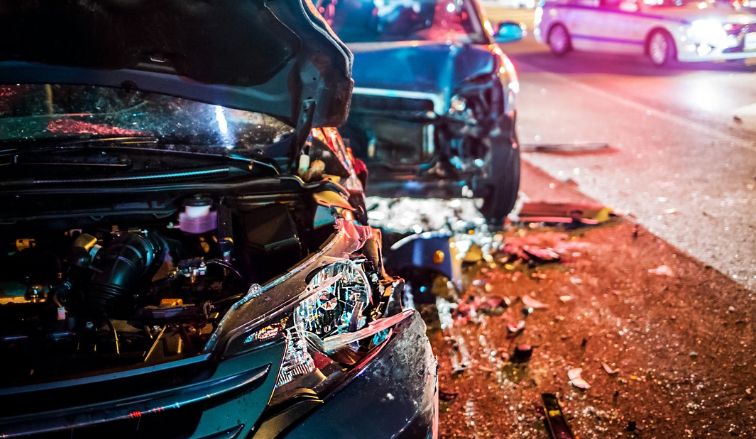
Navigating a car insurance claim in New York City can feel overwhelming, especially after an accident on congested streets, busy avenues, or major roadways like the FDR Drive, BQE, or Cross Bronx Expressway.
NYC drivers must also deal with dense traffic, strict parking regulations, vehicle inspections, and insurance companies that frequently work with preferred local repair shops. All of these realities can affect what happens after you receive an insurance payout — and whether keeping the money instead of repairing your vehicle is truly the best decision.
In many situations, you may legally keep the money from a car insurance claim in New York and choose not to repair your vehicle. However, there are important exceptions, as well as financial and legal risks that may outweigh the short-term benefit.
Several factors can complicate the situation, including:
- Whether you own the vehicle outright
- Whether the insurance company pays repair shops directly
- Where you live
- The extent of the vehicle damage
Please note: Douglas & London only accepts cases in New York, New Jersey, and Connecticut. We cannot accept cases outside those jurisdictions.
Do you need the money more than the repair?
There are many reasons why someone may decide to keep insurance claim money rather than repair the vehicle.
You may not want to deal with the inconvenience of repairs, especially if it means going without transportation for an extended period. If your vehicle is older, you may also decide that cosmetic damage such as dents or scratches is not worth fixing — particularly if the insurance payment could help cover other financial needs.
Once the insurance company pays a valid claim, it has generally fulfilled its obligation. As long as your policy and applicable laws allow it, you may be able to use the money as you choose.
What if the check is for more than the repair costs?
After an accident, an insurance company may issue a payment that exceeds the actual cost of repairing your vehicle. This can happen for several reasons, including changes in repair pricing or initial estimates that were higher than necessary.
Before deciding what to do with the funds, it is important to understand exactly what the payment covers. In addition to vehicle repairs, insurers may include compensation for:
- Rental car reimbursement
- Out-of-pocket expenses
- Diminished value claims
Reviewing the payment with an attorney can help clarify whether there was a legitimate overpayment and whether any portion of the funds must be returned.
What happens if you keep the extra money?
Although keeping excess funds may seem tempting, doing so can create serious risks if the insurance company later determines you were overpaid.
Depending on the circumstances, the insurer may:
- Demand repayment
- Adjust future claims
- Increase your insurance premiums
- Accuse you of misrepresentation or insurance fraud
In some situations, promptly notifying the insurer about any suspected overpayment and obtaining written clarification regarding the funds may help protect you from future legal or financial problems.
If you are unsure why your insurance payment exceeds your repair costs — or how to proceed without jeopardizing your rights — the experienced legal team at Douglas & London can help guide you through the process.
We Are Available for You 24/7.
Call 646-594-1112 for a Free Consultation
Who owns the car?
If your vehicle is financed or leased, you may not have complete authority to decide whether repairs will be made.
Most lenders and leasing companies require damaged vehicles to be repaired promptly in order to protect their financial interest in the car. In many cases, they may also require repairs to be completed through approved repair facilities.
If you own the vehicle outright, you generally have greater flexibility in deciding whether to repair it.
Who is the payment made to?
When a vehicle is financed or leased, insurance checks are often made payable to both you and the lender or leasing company.
In these situations, you may need to endorse the check and provide repair documentation — including photographs and invoices — before the lender releases the funds.
Attempting to cash a jointly issued check without authorization from the lienholder could expose you to allegations of fraud.
Injured in a car accident? Tap to call for a FREE consultation!
If the check is made payable only to you, your loan or lease agreement may still require you to notify the lender about the damage.
In some cases, insurance companies work directly with preferred repair shops and issue payment straight to the repair facility. When this happens, you may not have the option of keeping the money instead of repairing the vehicle.
One benefit of using an insurer-approved repair shop is that the work is often guaranteed, including coverage for additional repairs discovered later.
What if you filed a personal injury lawsuit?
Personal injury settlements work differently from property damage claims.
If you suffered substantial injuries and the other driver was clearly at fault, you may be able to step outside New York’s no-fault system and pursue compensation through a personal injury lawsuit.
In these cases, settlement checks are often made payable solely to you because the opposing party may not know whether your vehicle is financed.
However, your financing agreement may still require you to notify your lender and maintain the vehicle in safe or “good working” condition, which could require repairs.
Where do you live?
State laws differ significantly regarding insurance claim payments and repair obligations.
For example, Massachusetts generally requires insurers to issue checks jointly to claimants and lienholders. Some states require approved repair facilities to complete repairs at no additional cost to policyholders.
In New York, insurance checks are often made directly payable to claimants, depending on the circumstances and ownership status of the vehicle.
How extensive is the damage?
Choosing not to repair your vehicle after accepting insurance money can be risky.
Once you settle a claim for certain damages, you generally cannot pursue compensation for those same damages later — even if the condition worsens or contributes to future repair problems.
If you continue carrying collision or comprehensive coverage, your insurer may require proof that repairs were completed. Some companies remove physical damage coverage from unrepaired vehicles until repair documentation is submitted.
If financial concerns prevent immediate repairs, you may still be able to delay the work temporarily while keeping your insurer informed.
Schedule Your Free Consultation with a Car Accident Lawyer Today!
Severe vehicle damage can create additional complications.
You may need to choose between repairing the vehicle or declaring it a total loss. In either situation, lenders or leasing companies are generally paid before you receive any remaining funds.
If airbags deployed or the vehicle’s frame sustained structural damage, replacement is often the safer option. Some insurers may even refuse to continue coverage on heavily damaged vehicles.
If you accept insurance money but fail to repair the damage, you could become personally responsible for future related losses. Driving a damaged vehicle may also reduce its resale value and decrease future insurance payouts.
Do you need to report the claim at all?
In New York City, deciding whether to report a car accident involves more than simply evaluating repair costs.
Under New York law, drivers must file a police report and submit a DMV Form MV-104 within 10 days if an accident results in injury, death, or property damage exceeding $1,000 — a threshold many NYC accidents quickly surpass.
Accidents occurring on heavily traveled roads such as the West Side Highway or Cross Bronx Expressway often trigger mandatory reporting obligations, even when the damage initially appears minor.
Failing to report an accident when legally required may result in fines, license suspension, or future insurance complications.
If the damage is genuinely minimal and does not meet reporting requirements, you may choose not to file a claim in order to avoid potential premium increases.
However, if another driver reports the collision or the NYPD creates an accident report, filing a claim and obtaining proper repairs is usually the safer course of action.
Maintaining a safe and roadworthy vehicle is especially important in New York City, where inspections, parking enforcement, and constant stop-and-go traffic can quickly expose unresolved damage.
If you are unsure whether your accident must be reported — or how filing or avoiding a claim may affect your rights — speak with an experienced New York City car accident lawyer.
Douglas & London offers free consultations and can review your insurance policy, accident circumstances, and reporting obligations to help you make informed decisions.