The Krewe of Boo Halloween parade and French Quarter fall events bring huge crowds into some of New Orleans’ narrow, historic streets. Packed sidewalks, uneven sidewalks, streetcar tracks, floats, vendors, and busy bars and restaurants can create plenty of opportunities for someone to get hurt.
If you are injured during one of these events, figuring out who is responsible may not be simple because more than one party may share responsibility. A New Orleans injury lawyer can investigate what happened and determine whether an event organizer, business, property owner, government entity, or another party may be liable.
Common Injuries at New Orleans Fall Festivals and Parades
A crowded festival or parade creates risks that you may not encounter during an ordinary visit to the French Quarter. Bourbon Street and Canal Street, Jackson Square, and surrounding areas can become very congested during major events.
Common New Orleans festival injuries include:
- Trips and falls on uneven pavements, sidewalks, or cobblestones
- Slips caused by spilled drinks, food, or other substances
- Crowd-crush or trampling injuries
- Injuries caused by floats or objects thrown from them
- Falls near streetcar tracks, curbs, or temporary event equipment
- Assaults in areas without adequate security
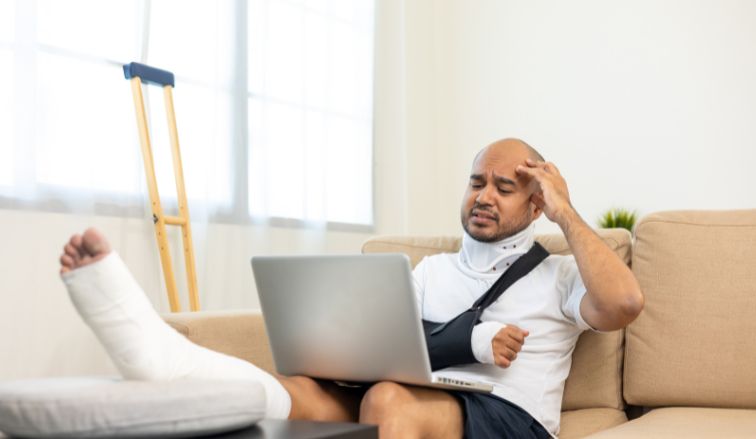
These incidents can cause broken bones, traumatic brain injuries, spinal cord injuries, cuts, and other serious harm. The type and severity of the injury can also affect the investigation, including what caused it and which parties may be responsible.
Who Can Be Held Responsible for a Festival Injury?
Responsibility depends on what caused the accident, where it happened, and who controlled the area or activity involved.
Potentially responsible parties may include:
- The Krewe (Parade Organization) or Event Organizer: An organizer may be responsible for crowd control, float operations, barriers, or other event safety measures.
- The City of New Orleans: If a dangerous condition involving a public street, sidewalk, or other city-controlled property contributed to the injury, the city could potentially bear responsibility.
- Bars, Restaurants, and Shops: Businesses may be responsible for dangerous conditions on property they control, such as slippery floors, unsafe entrances, or other hazards.
- Event Vendors: Improperly secured tents, electrical cords, displays, or equipment can create hazards for people walking through crowded areas.
- Private Property Owners: A property owner may be responsible when an unsafe condition on property under their control causes an injury.
Is the City or the Private Krewe Responsible?
That depends on what went wrong. A parade permit doesn’t necessarily make the city responsible for everything that happens along the route. Likewise, a private krewe does not necessarily control the condition of public streets and sidewalks.
For example, a dangerous street condition may raise questions about the city’s responsibility, while inadequate barriers, float operations, or crowd-control measures may involve the krewe or another event organizer.
Claims against government entities also involve rules and procedures that differ from ordinary claims against private parties. Identifying who controlled the property or activity involved is an important first step in determining who may be liable.
Louisiana Premises Liability Law on Public Sidewalks and Streets
Premises liability depends on the dangerous condition, who was responsible for it, and what that party knew or should have known.
Different rules can apply depending on where the accident occurred. A dangerous public sidewalk or street, for example, can raise different legal issues than a fall inside a French Quarter bar or restaurant.
A fall inside a bar, restaurant, or shop may fall under Louisiana’s merchant liability law. Under La. R.S. 9:2800.6, an injured person must prove that:
- The condition presented an unreasonable risk of harm that was reasonably foreseeable
- The merchant created the condition or had actual or constructive notice of it
- The merchant failed to exercise reasonable care
A crowded event can make these questions harder to answer. A drink spilled only moments before a fall may present a different liability issue than a broken step or damaged walkway that had been dangerous for weeks.
For most personal injury claims arising on or after July 1, 2024, Louisiana allows two years from the date of injury to file a lawsuit. Different rules or deadlines may apply in some cases, particularly when a government entity is involved.
How to Prove Negligence in a Parade or Festival Injury Claim
Most festival injury claims depend on evidence showing four basic elements:
- Duty: The person or organization responsible for the area or activity owed you a duty of reasonable care
- Breach: That party failed to meet that duty
- Causation: The unsafe condition or conduct caused your injury
- Damages: You suffered injuries or other losses because of the incident
Evidence of inadequate crowd control, unrepaired hazards, or ignored safety requirements may help establish negligence. If an organizer, float operator, or other party violated applicable permit conditions or safety requirements, that violation may also be relevant when determining whether reasonable care was taken.
The challenge is identifying who was responsible for the particular condition or activity that caused the injury. That may require reviewing permits, event and crowd-control plans, maintenance records, surveillance footage, incident reports, photographs, and witness statements.
For claims governed by Louisiana’s modified comparative-fault law, which took effect January 1, 2026, your own actions can also become part of the case. If you are found partly responsible, your compensation may be reduced by your percentage of fault. If you are 51% or more at fault, you cannot recover damages.
Evidence to Gather After a French Quarter Festival Injury
Festival conditions change quickly. A spill can be cleaned up, equipment can be moved, and crowds disperse. Evidence that exists immediately after an accident may be difficult to find later.
If possible:
- Take photos and videos of the hazard, the surrounding area, and anything else that shows how the injury happened.
- Get contact information from witnesses who saw the incident or the conditions leading up to it.
- Report the incident to the business, event organizer, or appropriate public agency, and ask how to obtain a copy of the report.
- Preserve physical evidence, including torn or damaged clothing and the shoes you were wearing.
Seek medical attention as soon as possible, even if the injury seems minor at first, and keep records related to your diagnosis and treatment. Serious injuries may require treatment at University Medical Center New Orleans, home to the Norman E. McSwain Jr. Trauma Center.
Be cautious about giving a recorded statement to an insurance company before you understand your rights. You should also avoid posting details, photos, or comments about the accident or your injuries on social media.
Legal Options for a Tourist Injured at a French Quarter Festival
You do not have to live in Louisiana to pursue a claim for an injury that happened in New Orleans.
If you were visiting for Krewe of Boo or another event, you can handle much of the claims process after you return home. Our New Orleans office can communicate with insurers, gather local evidence, investigate what happened, and help coordinate medical documentation without requiring repeated trips back to Louisiana.
Returning home does not stop Louisiana’s filing deadline, so you should act promptly.
How a New Orleans Injury Lawyer Can Help
A New Orleans injury lawyer can look beyond the immediate cause of an accident to determine who controlled the property, activity, or safety measures involved.
An experienced attorney can:
- Investigate how and why the injury occurred
- Identify potentially liable parties
- Preserve video, photographs, reports, and other evidence
- Review applicable permits and safety requirements
- Address issues involving a government entity
- Evaluate allegations that you contributed to the accident
- Handle communications and negotiations with insurers
Douglas & London combines local representation in New Orleans with the national trial and mass-tort resources it brings to major litigation.
Injured at a New Orleans Festival? Talk to Douglas & London
A night at Krewe of Boo or a fall festival should leave you with good memories, not medical bills and unanswered questions about who was responsible.
If you were injured at a parade, festival, bar, restaurant, or another location in the French Quarter, Douglas & London can help you understand your legal options. We have the resources to win. Contact us for a free consultation. No fee unless we win.
Disclaimer: Attorney Advertising. Prior results do not guarantee a similar outcome.