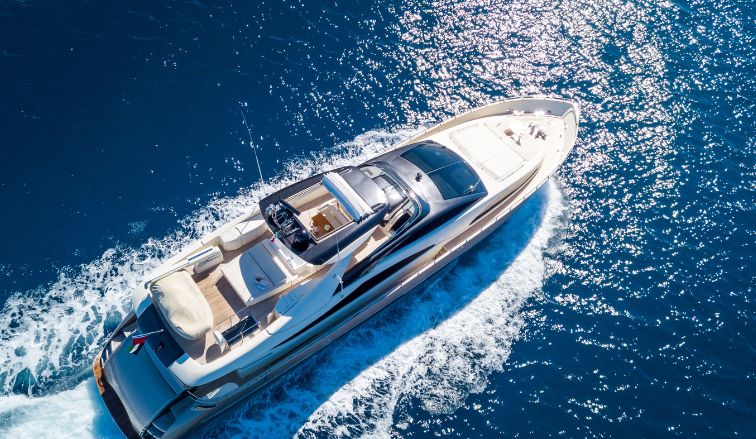
New Orleans is built around the water. On any given day, the waterways surrounding the city are packed with fishing boats, airboats, charter vessels, jet skis, tour boats, and recreational boaters heading out onto Lake Pontchartrain, the Mississippi River, or Louisiana’s winding bayous.
But when alcohol use, poor visibility, operator inexperience, or reckless speeding contribute to dangerous conditions on crowded Louisiana waterways, a routine day of boating can turn catastrophic.
Boating accidents can leave victims facing serious injuries, medical bills, lost income, insurance disputes, and complicated questions about liability. Boating collisions may involve Louisiana personal injury law, federal maritime regulations, commercial vessel rules, and overlapping insurance issues.
Determining fault can be difficult when there are limited witnesses, changing water conditions, and conflicting accounts from operators on open water.
The experienced New Orleans boat accident lawyers at Douglas & London help injured victims take immediate steps to protect their rights, secure critical evidence, and pursue the compensation they may need after a serious accident on Louisiana waters. If you’ve been injured, contact us today for a free consultation.
Prioritize Safety Immediately After the Accident
The priority after any boating accident is protecting everyone involved. Check passengers for injuries, account for anyone who may have fallen overboard, and keep everyone wearing life jackets if possible.
If the vessel is still operational, move it out of dangerous traffic areas when it is safe to do so. Louisiana waterways can become congested quickly, especially near marinas, busy river channels, and recreational boating areas.
Even minor boating accidents can create dangerous situations involving strong currents, sinking risks, fuel leaks, or fires. If the vessel capsizes or begins taking on water, stay together as a group and continue signaling for help until emergency responders arrive.
Call Emergency Responders and Report the Accident
Louisiana law requires certain boating accidents to be reported, including accidents involving injuries, fatalities, disappearances, or significant property damage. Depending on where the crash occurred, the accident may need to be reported to the Louisiana Department of Wildlife and Fisheries or the United States Coast Guard.
Calling 911 immediately also helps create an official record of the accident. That documentation can become important later if insurance companies dispute what happened.
Under Louisiana law, boat operators involved in an accident must remain at the scene, assist injured passengers when it is safe to do so, and provide identifying information to others involved. Leaving the scene of a boating accident can create additional legal consequences and complicate future injury claims.
Whenever possible, boat operators should also exchange registration, insurance, and contact information after the collision.
Seek Medical Attention Right Away
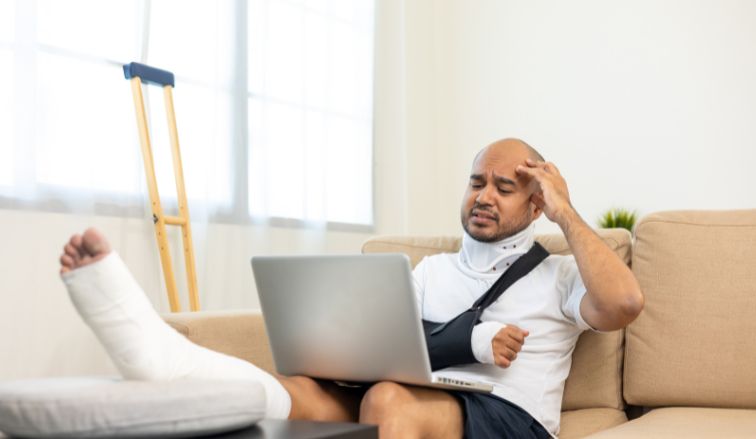
Many boating accident injuries are not immediately obvious. Head injuries, concussions, internal injuries, and soft tissue damage may take hours or days before symptoms fully appear.
Adrenaline and shock often mask symptoms immediately after a boating accident, especially after head trauma, near-drowning incidents, or violent collisions.
Getting medical care immediately protects your health and creates medical records connecting your injuries to the accident. Insurance companies may argue that treatment delays mean the injuries were not serious or were caused by something else.
Common boating accident injuries include:
- Traumatic brain injuries
- Spinal cord injuries
- Broken bones
- Propeller injuries
- Drowning injuries
- Neck and back injuries
- Severe lacerations
The steps you take at the scene can also play a role in protecting a future injury claim.
Document the Scene Before Evidence Disappears
Evidence on the water can disappear fast. Boats move, weather changes, and physical damage may be repaired quickly after an accident.
If you can safely do so, try to document:
- Damage to all vessels involved
- Your injuries
- Water and weather conditions
- Nearby hazards or obstructions
- Registration numbers on boats involved
- Contact information for witnesses
- The location of the accident
Photos and videos taken immediately after the crash can become valuable evidence later during insurance negotiations or litigation.
Boating accident investigations often depend heavily on photographs, witness statements, GPS navigation data, marina surveillance footage, and vessel damage inspections collected shortly after the collision.
Avoid Admitting Fault
After an accident, emotions run high. Many people instinctively apologize or speculate about what happened. However, even casual comments can later be used against you by insurance companies.
Avoid discussing fault with:
- Other boat operators
- Insurance adjusters
- Witnesses
- Rental companies
- Tour operators
Provide information about the facts of the incident to responding authorities, but avoid making statements about blame before speaking with an attorney.
Boating crashes may involve limited physical evidence, inconsistent witness accounts, changing water conditions, and overlapping jurisdictional issues between state and federal authorities.
Louisiana Boating Laws Can Complicate Injury Claims
Depending on where the accident occurred, the case could involve Louisiana personal injury law, federal maritime law, or both.
Louisiana follows a modified comparative fault system. Under Louisiana Civil Code Article 2323, an injured person may recover compensation if they are found to carry 50% or less responsibility for the accident. Any compensation awarded is reduced by the injured person’s percentage of fault.
In some cases, liability may involve:
- Another boat operator
- A rental company
- A commercial charter company
- A tour operator
- A boat manufacturer
- A maintenance provider
Determining liability requires a detailed investigation, especially when alcohol use, excessive speed, equipment failure, or navigation rule violations are involved.
Insurance Issues After a Boating Accident
Louisiana does not require recreational boat owners to carry boating insurance, although marinas, lenders, and rental companies may still require coverage in some situations. As a result, serious complications can arise after catastrophic boating accidents when the at-fault operator has little or no insurance coverage available.
Several insurance policies could potentially apply after a boating accident, including:
- Boat insurance policies
- Homeowners insurance riders
- Commercial liability coverage
- Rental company insurance
- Uninsured or underinsured coverage
Insurance companies typically contact injured victims quickly after an accident, seeking recorded statements or early settlements. Accepting a settlement too soon may leave you without compensation for future medical treatment, lost income, or long-term injuries.
Do Not Wait to Speak with a Lawyer
Louisiana law places strict deadlines on personal injury claims. For boating accident cases occurring on or after July 1, 2024, injured victims have two years from the date of the accident to file a lawsuit.
Waiting too long can also make critical evidence harder to preserve. Witness memories fade, boats are repaired, and electronic navigation data may be lost.
Protect Your Rights After a Serious Boating Accident
Boating accident investigations can become far more complicated than people expect. Amid conflicting witness accounts, maritime regulations, insurance disputes, and rapidly disappearing evidence at sea, critical details can be lost within days of the accident.
Our boat accident lawyers move quickly to investigate serious boating accidents, preserve evidence, identify all potentially liable parties, and build strong injury claims before insurers can minimize or dispute what happened.
Whether the accident involved a private boat operator, a charter company, a commercial vessel, a rental watercraft, or defective equipment, our firm has experience handling complex, high-stakes litigation.
If you or a loved one was injured in a boating accident on Louisiana waters, do not wait for evidence to disappear or insurance companies to control the narrative. Contact our team for a free consultation and learn what legal options may be available to protect your right to compensation.